
Aug. 15, 2025
Pyrolysis oil, derived from the thermal decomposition of waste plastics, tires, or biomass, is a valuable intermediate for producing fuels and chemicals. Distillation of pyrolysis oil is essential for refining it into higher-quality products suitable for industrial and energy applications. This article explores how a pyrolysis oil distillation plant works, best practices, technologies, applications, costs, and the future of pyrolysis oil refining.
A pyrolysis oil distillation plant separates crude pyrolysis oil into different fractions based on boiling points. The general process involves:
Pre-treatment: Crude pyrolysis oil is filtered to remove solid residues and impurities.
Heating: The oil is heated in a distillation column under controlled conditions.
Fractional Distillation: Different fractions, such as gasoline, diesel, and heavy oil, vaporize at distinct temperatures and are collected separately.
Condensation: Vapors pass through condensers, turning them into liquid fuels.
Collection and Storage: Each distilled fraction is collected in tanks for further use or sale.
The process can be conducted under atmospheric or vacuum conditions, with vacuum distillation often used to prevent thermal cracking of heat-sensitive compounds.
To maximize efficiency and product quality, operators should follow these best practices:
Proper Filtration: Remove solids and moisture before distillation to prevent fouling and corrosion.
Controlled Heating: Gradually heat the oil to avoid overheating or decomposition of sensitive fractions.
Use of Anti-Corrosion Materials: Stainless steel or specialized alloys extend equipment life.
Regular Maintenance: Clean columns, condensers, and pumps to maintain efficiency.
Monitoring and Automation: Use sensors and automated controls for precise temperature and pressure management.
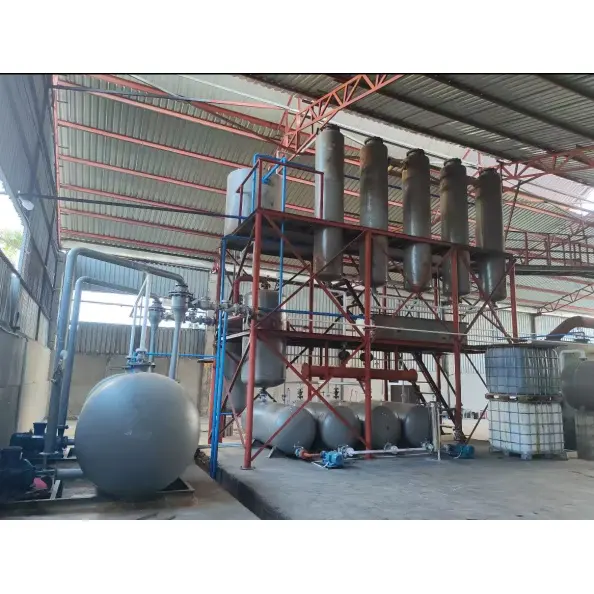
Several technologies enhance pyrolysis oil distillation efficiency:
Fractional Distillation Columns: Separate components based on boiling point differences.
Vacuum Distillation: Allows distillation at lower temperatures to protect heat-sensitive compounds.
Heat Exchangers: Improve energy efficiency by preheating incoming crude oil with outgoing streams.
Catalytic Distillation (Optional): Enhances refining and improves fuel quality.
Distilled pyrolysis oil can be used in multiple sectors:
Fuel Production: Gasoline, diesel, and kerosene replacements for industrial or transportation use.
Chemical Industry: Feedstock for producing lubricants, solvents, and petrochemical derivatives.
Power Generation: High-calorific fractions can be used as industrial boiler fuels.
Environmental Management: Converts waste plastics and tires into valuable energy products, reducing landfill impact.
The future of pyrolysis oil distillation is promising, driven by sustainability and circular economy goals:
Integration with Renewable Energy: Combining bio-based pyrolysis with refining to produce green fuels.
Advanced Catalysts: Improve fuel quality and reduce sulfur or impurities.
Automated and Smart Plants: Enhanced monitoring, process optimization, and reduced energy consumption.
Expansion in Developing Markets: Rising demand for alternative fuels encourages investment in small to mid-scale distillation plants.
The cost of a pyrolysis oil distillation plant varies depending on capacity, technology, and materials:
Small-Scale Plants (1–5 tons/day): Typically range from $50,000 to $150,000, suitable for pilot or local production.
Medium-Scale Plants (10–20 tons/day): Around $150,000 to $300,000, offering better efficiency and product quality.
Large-Scale Plants (50+ tons/day): Can exceed $500,000, featuring advanced automation, vacuum distillation, and energy recovery systems.
Additional costs include installation, power supply, maintenance, and operational labor.
Conclusion
Pyrolysis oil distillation plants play a crucial role in converting waste into valuable fuels and chemicals. By following best practices, leveraging advanced distillation technologies, and carefully planning investments, operators can achieve high-quality products while supporting sustainable energy solutions. With growing demand for alternative fuels, pyrolysis oil refining is poised to become an essential part of the circular economy.
389
0
0
All Comments (0)
Previous: waste to energy Pyrolysis Plant
Next: Unlocking Efficiency: Your Guide to Choosing the Best 1 Ton Oil Distillation Plant Manufacturer
If you are interested in sending in a Guest Blogger Submission,welcome to write for us!


Comments