Dec. 30, 2024
Water scarcity and inefficient farming practices pose significant challenges for contemporary agriculture. If you've ever been burdened by high water bills or inconsistent crop yields, you're certainly not alone. According to various resources, drip irrigation serves as an effective remedy for reducing water wastage and enhancing agricultural performance, although many people still find the concept somewhat perplexing.
Drip irrigation is a precise technique that delivers water directly to a plant's roots using a sophisticated network of pipes, valves, and emitters. Unlike traditional irrigation methods that saturate extensive areas, drip systems concentrate on delivering the exact amount of water each plant requires.
Water is supplied in small, controlled increments.
The system can be automated for ease of use.
Compatible with a broad range of crops and landscapes.
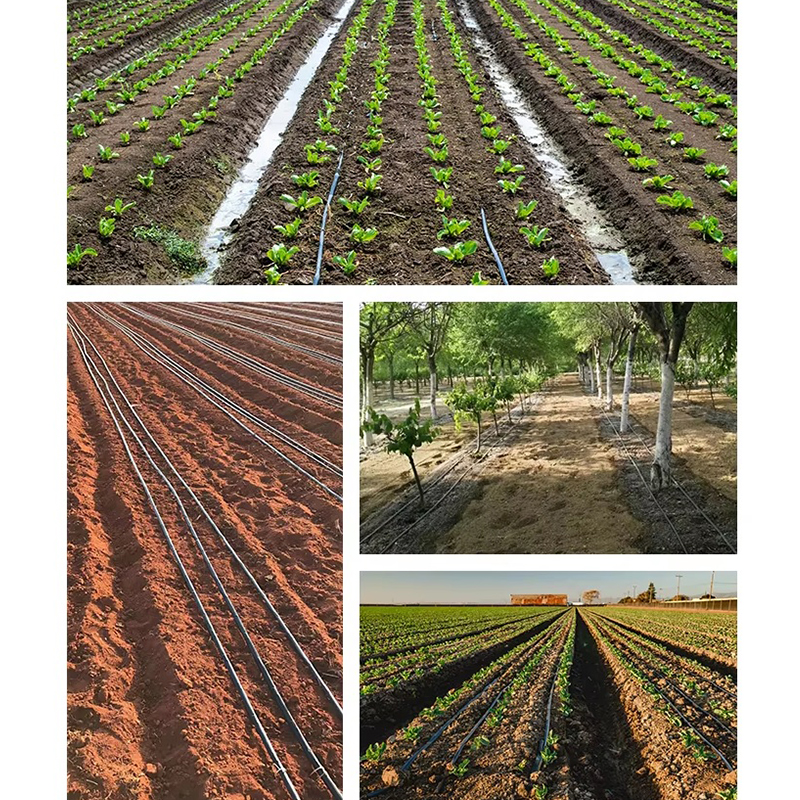
The growing popularity of drip irrigation can be attributed to its numerous benefits:
Water Efficiency: Minimizes water wastage by up to 50%, delivering water only where it's needed.
Healthier Plants: Prevents overwatering, reduces soil erosion, and lessens the risk of fungal diseases.
Cost Savings: Decreased water usage translates to lower utility bills.
Flexibility: Effective in various terrains, including sloped and uneven land.
Automation: Timers and sensors facilitate easy management, even from a distance.
Despite its many advantages, drip irrigation is not without its drawbacks:
Initial Cost: The upfront expense of installing a drip system can be considerable.
Maintenance: Emitters may become clogged and require routine checking and cleaning.
Skill Requirement: Effective installation and monitoring necessitate a certain level of expertise and effort.
How does drip irrigation perform when compared to traditional and sprinkler systems?
| Feature | Drip Irrigation | Sprinklers | Traditional Flooding |
|---|---|---|---|
| Water Efficiency | Very high (90%) | Moderate (60-70%) | Low (40-50%) |
| Installation Cost | High | Moderate | Low |
| Maintenance | Medium (clogs) | Low | Low |
| Crop Suitability | Highly versatile | Best for grass and large crops | Ideal for rice and other water-intensive crops |
To ensure the optimal effectiveness of drip irrigation, consider these practical guidelines:
Filter the Water: Implement filters to avoid emitter clogs.
Regular Inspections: Conduct monthly checks for leaks or blockages.
Optimize Placement: Position emitters close to plant roots for increased efficiency.
Utilize Automation: Consider investing in timers and soil moisture sensors to automate watering schedules.
Seasonal Adjustments: Tailor water delivery to align with plant growth phases.
Drip irrigation presents a groundbreaking approach to mitigating water wastage while enhancing crop yields. Though the initial investment and maintenance necessitate careful planning, the long-term benefits significantly outweigh the challenges involved.
Are you prepared to elevate your gardening or farming techniques? Discover drip irrigation solutions designed for your specific needs today and become part of the movement toward more sustainable and efficient water usage.
303
0
0
All Comments (0)
Previous: SHENNIU Tractor Spare Parts
Next: Precautions for safe operation of tractors for spring ploughing
If you are interested in sending in a Guest Blogger Submission,welcome to write for us!


Comments