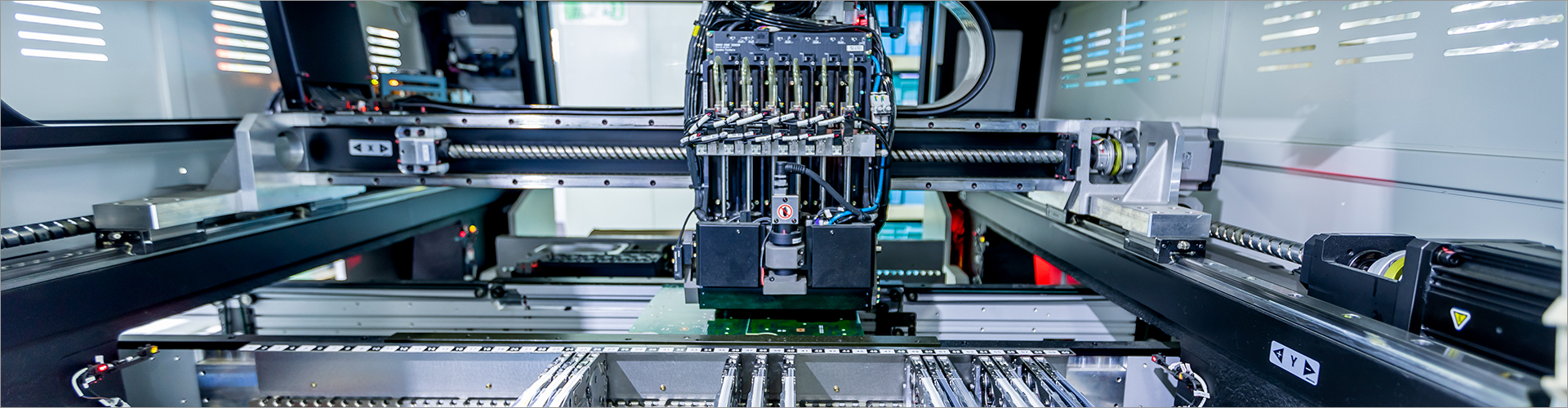
When it comes to machinery and rotating equipment, one of the most critical components is the bearing. The efficiency and longevity of your machinery often hinge on the quality and durability of its bearings. Unfortunately, many industries face the recurring challenge of bearing failure, leading to costly downtimes and repairs. As experts with years of hands-on experience in the field of bearing technology, we understand these pain points intimately. Our insights into processes such as induction hardening can be pivotal in extending your equipment’s functional lifespan. In this article, we will explore the intricacies of bearing ring induction hardening machines, how they work, and how implementing this technology can maximize the life of your bearings.
Contact us to discuss your requirements of Bearing Ring Induction Hardening Machine. Our experienced sales team can help you identify the options that best suit your needs.
Induction hardening is a heat treatment process that enhances the surface hardness of metal parts, making them more resistant to wear and fatigue. Specifically, it involves heating a component, such as a bearing ring, with an induction coil, followed by rapid cooling to form a hardened surface layer. This process is particularly valuable in bearing applications, where superior surface hardness is needed to handle stress and friction during operation.
One of the most noteworthy benefits of induction hardening is its efficiency. The process allows for precise control over the heating and cooling cycles, ensuring that only the surface reaches the desired hardness while maintaining the core’s toughness. Additionally, it minimizes distortion and reduces the risk of cracking, which is commonly associated with other heat treatment methods.
Using a bearing ring induction hardening machine further enhances these benefits. These machines offer automated processes that increase the consistency of the hardening treatment, making them ideal for mass production environments. The precision of these machines ensures that each batch of bearings meets stringent quality standards, thus improving reliability.
Despite its advantages, induction hardening is not without its drawbacks. The initial investment in a bearing ring induction hardening machine can be substantial. Moreover, if not properly calibrated, the process can lead to uneven hardening, which might compromise the bearing’s overall performance. This highlights the importance of ensuring that operators are well-trained and experienced in using such advanced machinery.
When evaluating induction hardening, it’s vital to compare it with other methods such as flame hardening or nitriding.
Flame Hardening: This method employs a high-temperature flame to heat the surface of the metal. Unlike induction hardening, which provides localized heating, flame hardening can lead to greater thermal distortion and may require additional machining.
Nitriding: A chemical process that introduces nitrogen into the surface layer of the steel, nitriding produces excellent hardness and wear resistance. However, it requires longer treatment times and is not always suitable for large-scale production.
If you want to learn more, please visit our website Induction Hardening Machine.
Induction hardening stands out because it combines efficiency with minimal distortion, making it a preferred method for enhancing bearing performance.
Implementing induction hardening in your operation requires a thoughtful approach to ensure both effectiveness and longevity. Here are some practical tips:
Regular Training: Ensure that operators are trained regularly on the latest technology and techniques associated with the bearing ring induction hardening machine. Continuous education can help avoid costly mistakes.
Routine Calibration: Schedule regular maintenance checks and calibrations for your induction hardening machines to maintain accuracy.
Testing for Quality: Employ non-destructive testing methods to check the hardness and integrity of treated bearings. This helps in identifying any potential failures before they lead to operational issues.
Document Processes: Maintain detailed records of the hardening processes, including temperature settings and cooling times, to refine techniques over time.
In the competitive landscape of manufacturing and machinery, maximizing the life of your bearings is paramount to achieving operational efficiency and minimizing costs. Induction hardening, particularly when employing a bearing ring induction hardening machine, provides an effective solution for enhancing bearing performance. By understanding its strengths, acknowledging its weaknesses, and following best maintenance practices, you can ensure that your bearings withstand the rigors of daily operations. Ultimately, investing in effective hardening techniques is not just about saving money; it's about ensuring reliability and performance in a world that demands the best.
For more information, please visit How Induction Hardening Increases Gear Durability.
250
0
0
All Comments (0)
Previous: What Are the Benefits of Foam Jointing Machinery Products?
Next: Discover Affordable 12m Flat Pack Container Homes: A Complete Guide
If you are interested in sending in a Guest Blogger Submission,welcome to write for us!


Comments